
Your Sleep Score — What Does It Really Mean?
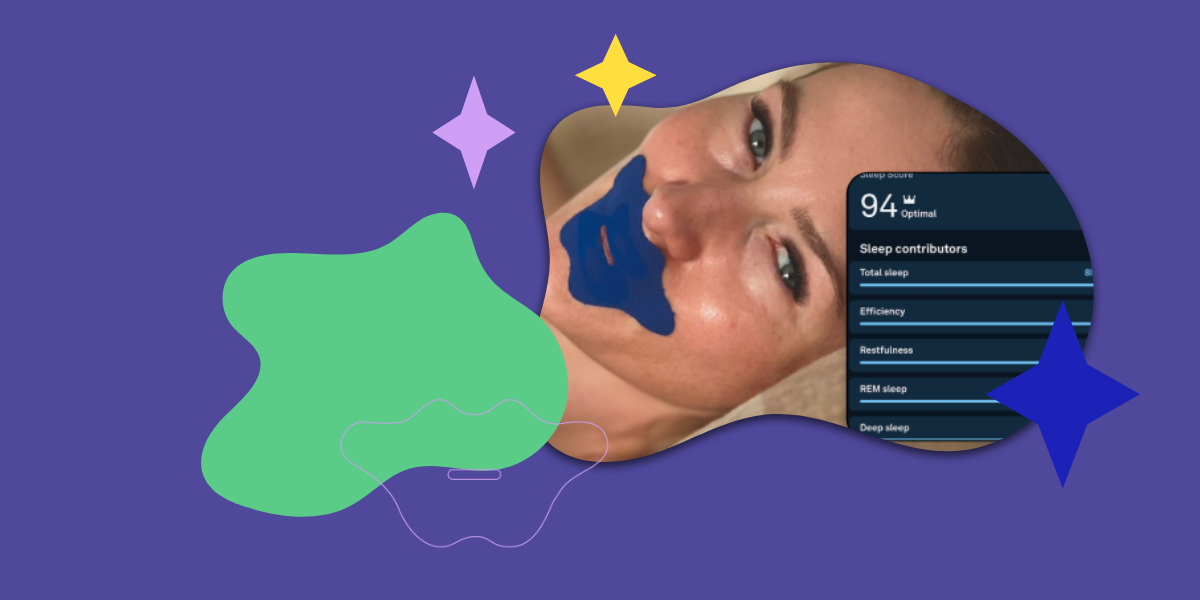
Your Sleep Score—What Does It Really Mean?
Understand your sleep score and improve your sleep.
You wake up. First thing—you grab your phone. You check your sleep score.
72.
Great… but what does that actually mean? 😅
If you’ve ever looked at a sleep report in Oura, WHOOP, Fitbit, or Apple Health and thought, “Okay, cool… but what does this actually mean?”—relax, you’re not alone.
Your sleep score isn't a random number. It's a condensed summary of what happened to your body overnight—and how well you truly rested.
Time to break it down.
What is a Sleep Score?
It's a complex score—usually on a scale up to 100—that shows how well you slept, how deeply you recovered, and how well your sleep aligned with your body’s natural rhythm.
The formula varies by app, but most analyze three main areas:
- Sleep Duration
- Sleep Quality
- Recovery / Restoration
1. Sleep Duration
How long—and how regularly—you actually sleep.
But… this isn't about time spent in bed or tossing and turning.
Only actual sleep counts.
💡 Goal: 7–9 hours of real, restorative sleep each night (for adults).
But it’s not just quantity that matters. Also important is:
🕓 Sleep Timing
Every body has its chronotype—we all have a natural biological rhythm (you’ve surely heard of "owls" and "larks"). When you go to sleep and wake up according to your chronotype, your sleep score usually improves. Pulling all-nighters, sleeping until noon on weekends, or irregular sleep times can disrupt your circadian rhythm and lower your score.
🔁 Regularity
You don't have to be perfect—but the more consistent your sleep and wake times are (within a 30–60 minute range), the better your body recovers. Try to go to bed at a similar time and wake up at the same time each day—even on weekends. This regularity is what most strongly supports your circadian rhythm and helps maintain a high sleep score.
2. Sleep Quality
Meaning what happens during sleep.
This indicator analyzes sleep stages—how much time you spend in light sleep, deep sleep, and REM, and how effectively your body moves through successive cycles.
Typically, we sleep in three main stages: light sleep, deep sleep, and REM, which repeat in 90-minute cycles—usually 4–6 times per night.
💤 Light Sleep
This is a natural transitional stage between wakefulness and deeper sleep phases. It helps calm the body and mind, reduces reactions to environmental stimuli, and makes us sleep more peacefully. In this phase, the body begins to slow down, lowering heart rate and temperature, preparing for deep sleep.
- Typical share: approx. 40–50% of total sleep time
- This is a beneficial phase: it facilitates sleep continuity, supports concentration, learning, and smooth transitions to deep sleep
🌊 Deep Sleep
Usually occurs in the first half of the night.
This is the time for repair: muscle regeneration, cell rebuilding, immune system activation.
- Goal: approx. 20–25% of total sleep (i.e., over 90 minutes)
- Too little deep sleep = fatigue, muscle aches, decreased immunity
🧠 REM Sleep
Occurs in longer cycles later in the night and in the morning.
This is when the brain processes emotions, memories, and stress—this is where dreams appear.
- Goal: approx. 20–25% of total sleep (i.e., over 90 minutes)
- Too little REM sleep = brain fog, irritability, concentration problems
3. Recovery (Restoration)
Meaning how well the body rests and rebuilds itself overnight.
This is an often overlooked topic, yet crucial for how you feel in the morning.
❤️ Resting Heart Rate and Recovery Rate
A well-rested body shows a drop in heart rate after falling asleep—this is a sign that the nervous system is shifting into recovery (parasympathetic) mode.
- Better score = faster drop in heart rate in the first half of the night
- What spoils the score: late eating, caffeine, stress, intense workouts before bed
😴 Sleep Latency
How long it takes you to fall asleep after getting into bed.
The shorter, the better—ideally between 10 and 20 minutes.
Too long = you are agitated; too short (2–3 minutes) = your body is overtired
👀 Micro-awakenings
You don't always remember them—but your body does. Too many awakenings (e.g., due to noise, stress, snoring, or phone light) lower your score and make you feel unrested. One of the most common causes is mouth breathing—it dries out the throat and interrupts deep sleep. That's why many people reach for sleep strips, which help maintain nasal breathing and sleep more peacefully.
How to consistently achieve 90+ scores
Here’s what really works—without unnecessary theories:
✅ Stick to a consistent sleep schedule
Your circadian rhythm loves regularity—even on weekends. Go to bed and wake up at similar times every day.
✅ Take care of your sleep environment
Cool, dark, and quiet. Ideal temperature: 16–19°C. Draw the curtains, use white noise, and eliminate distractions.
✅ Don’t eat too late and avoid caffeine in the afternoon
Late meals and stimulants raise heart rate, disturb deep sleep, and delay recovery.
✅ Manage light exposure
In the evening, use warm, dim light. Avoid blue light (screens, phones) before bed.
✅ Create an evening ritual
Stretching, journaling, applying a Bedrock strip—anything that signals to your body: it’s time to wind down.
✅ Focus on your breathing
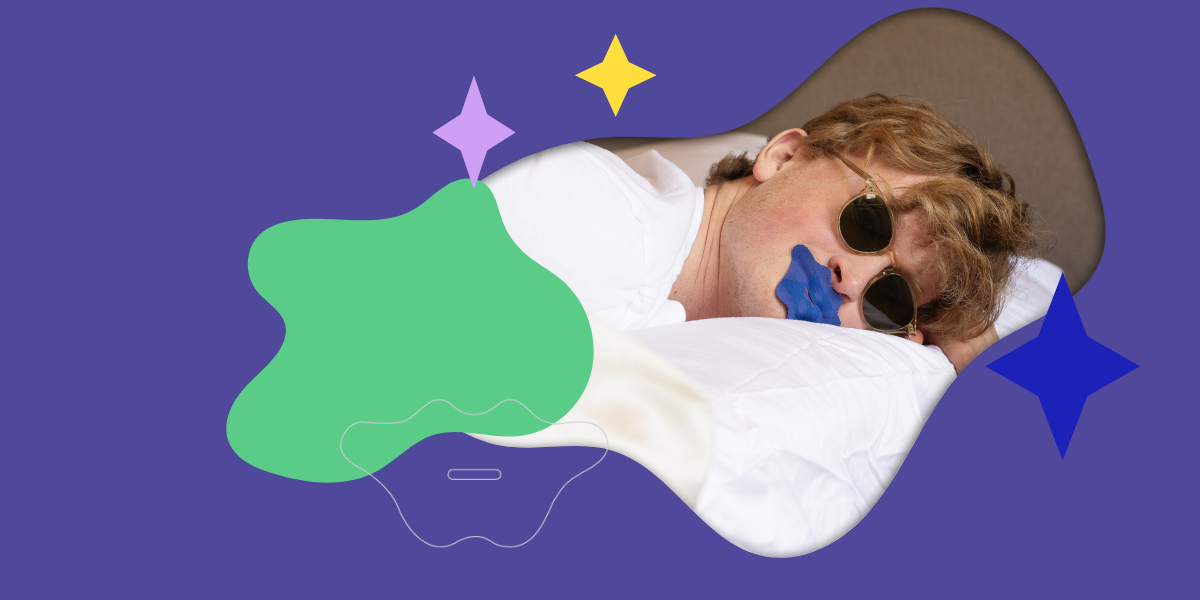
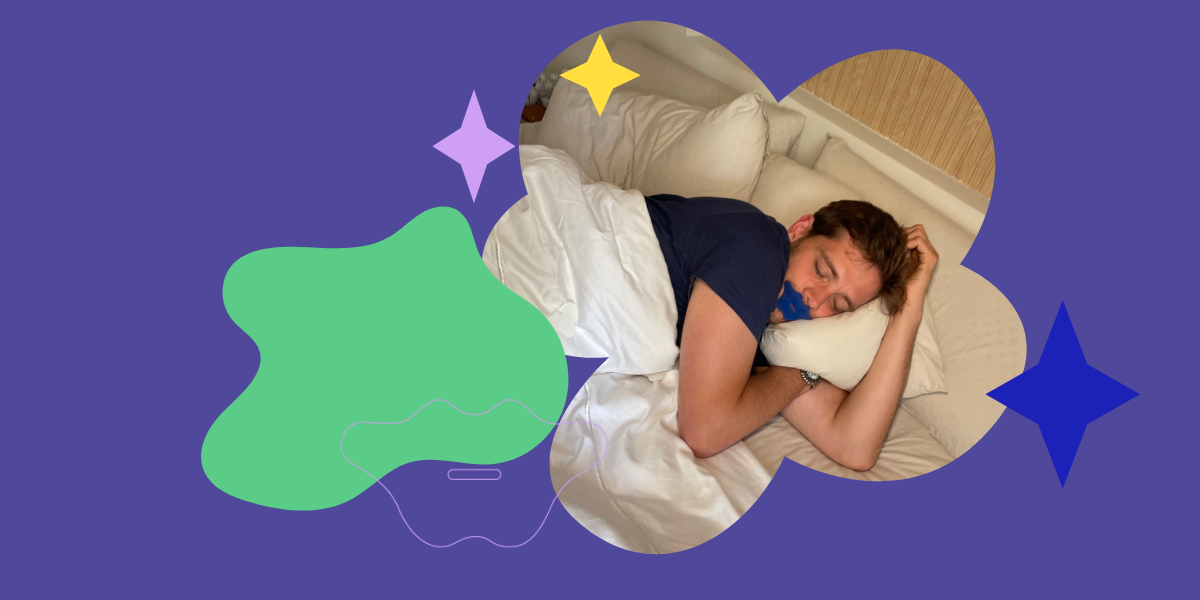
Nasal breathing improves oxygen flow and supports deep sleep. However, if you breathe through your mouth at night, snore, or wake up with a dry throat—reach for Bedrock sleep strips. They are silky, comfortable, and designed to help you sleep peacefully—night after night.
TL;DR
Your sleep score isn’t just a number—it’s a reflection of how well your body functions overnight.
Understand what lies behind it—and you’ll start waking up rested, focused, and ready for anything.
📈 Want to wake up with a score of 90+?
[Try Bedrock strips](#)


Comentarios