
Facts and myths: mouth taping for sleep
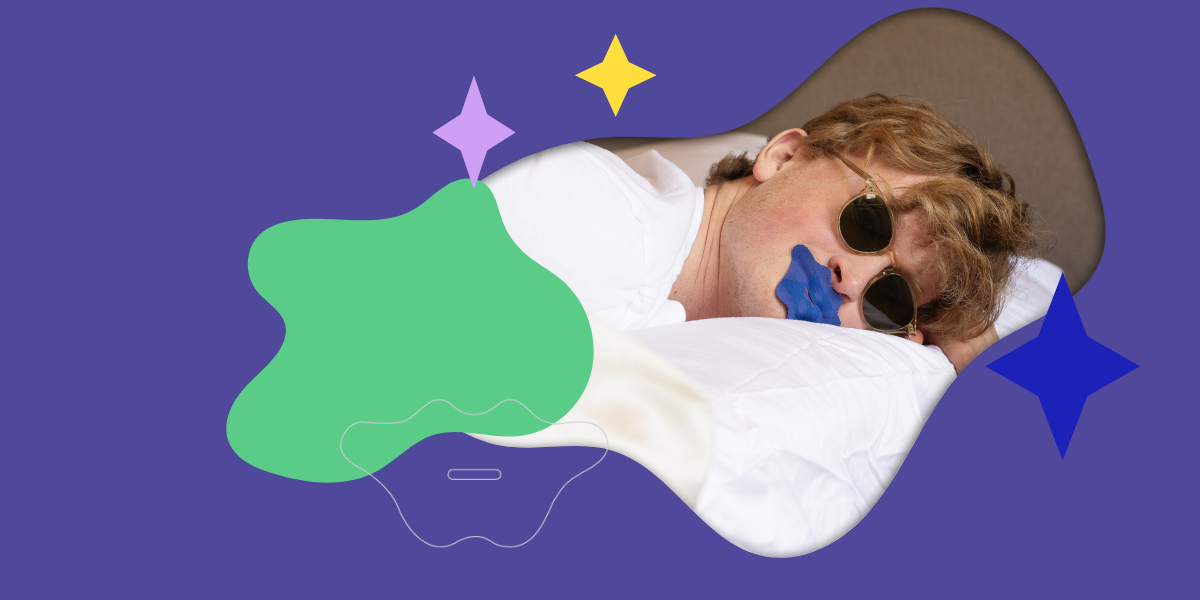
If you've spent at least five minutes on social media, you've probably seen people taping their mouths shut before bed. It looks a bit strange and sounds quite extreme, but it might be one of the most effective (and underrated) ways to sleep better.
Influencers, professional athletes, and scientists like Andrew Huberman and James Nestor are popularizing mouth taping at night. So what's the deal with it? Is it just another hype, or a real game-changer for your sleep and energy levels?
What exactly is mouth taping at night?
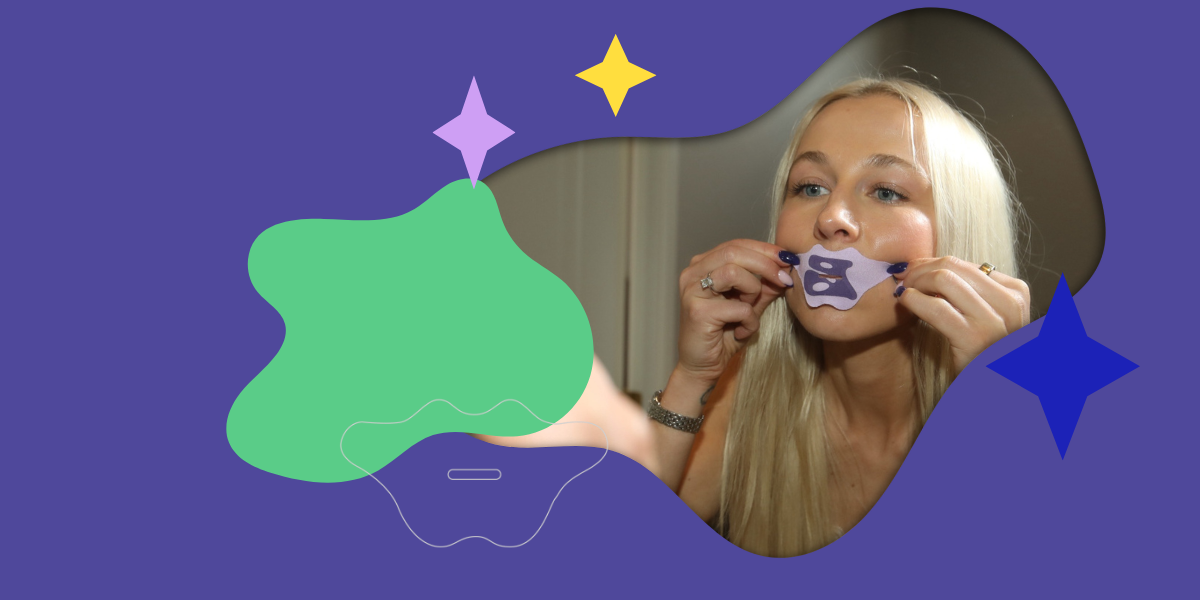
Mouth taping at night is exactly what the name suggests—gently placing special tape over your mouth before bed to encourage natural nasal breathing. This practice has been used for years in sleep therapy and athletes' breathing exercises, but it has only recently gained immense popularity—and with it, a lot of misunderstandings.
How mouth taping at night really works
Mouth taping at night is not about forcing anything—it's about supporting the natural way of breathing, which is through the nose. The nose is adapted for this: it filters, humidifies, and regulates airflow, while also helping the body utilize oxygen better thanks to nitric oxide production.
Many of us, however, breathe through our mouths during sleep, which can lead to snoring, dry mouth, interrupted sleep, reduced oxygen levels, and over time even affect jaw structure and jaw alignment.
Gentle mouth taping helps the body gradually return to nasal breathing—making sleep calmer and more restorative.
Mouth taping at night – myths
❌ Mouth taping is dangerous.
It can be if the wrong tapes are used or if it's done with a stuffy nose. Always use skin-safe, breathable tape and make sure your nose is clear before bed. If in doubt, consult a doctor and start with short trials during the day.
❌ You can suffocate during sleep.
This is a popular myth. If you don't have problems breathing through your nose, there's no risk of suffocation. If you have any difficulties breathing through your nose—it's better not to use taping.
❌ It's only for people who snore.
Not true. Nasal breathing improves oxygenation, supports the nervous and circulatory systems, reduces stress, and improves overall sleep quality—whether someone snores or not.
❌ Mouth taping irritates the skin.
Depends on the type of tape. Thin, soft, and flexible patches made of breathable materials—hypoallergenic, silk—that do not irritate the skin and are easy to remove work best.
❌ You have to completely seal your mouth.
Not true. It's better to avoid full mouth coverage—leaving a small opening supports not only psychological comfort and a sense of security, but also allows the body to regulate breathing more freely. For many people, an open center provides a sense of naturalness and reduces body tension, making adaptation to nasal breathing gentler.
❌ It's just a TikTok trend.
Although it gained popularity through social media, mouth taping at night has long been used in sleep therapy, breathing exercises, and sports.
Mouth taping at night – facts
✅ Helps improve sleep quality.
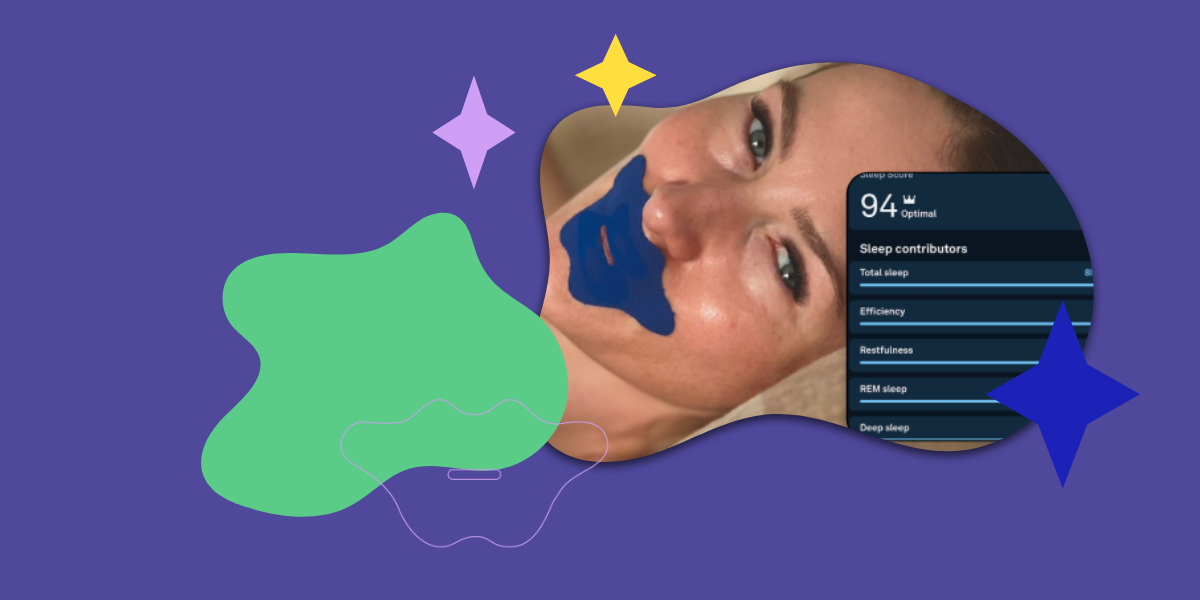
Many people notice that they fall asleep faster, sleep more soundly, and wake up less often at night.
✅ Improves body oxygenation.
Nasal breathing increases the efficiency of oxygen transport in the lungs and its absorption by cells, which supports regenerative processes and overall body performance.
✅ Reduces snoring.
Mouth taping helps especially those who snore due to mouth breathing. Keeping the lips closed stabilizes airflow in the airways and prevents tissue vibrations that cause snoring sounds.
✅ Supports oral health.
Nasal breathing prevents dry mouth and bacterial growth, protecting against tooth decay and gum inflammation.
✅ Can also be used outside of sleep.
Taping also works great during meditation, breathing exercises, or intense workouts—it improves concentration, increases oxygen efficiency (VO₂ max), and supports endurance during training.
✅ It's not for everyone.
People with nasal obstruction, sleep apnea, or other breathing problems should consult a doctor before using it.
Summary
Mouth taping at night is a simple technique that helps the body return to a natural, healthier way of breathing. It can genuinely improve sleep quality, support regeneration, and reduce snoring problems.
The most important things are to keep your nose clear, use skin-safe tape, and give your body time to get used to the new habit.
Want to try mouth taping at night?
Try safe, silky patches with a breathing hole that support deep sleep and regeneration without irritating the skin.
Start your nightly routine today.
See sleep patches: https://your-bedrock.com


Comments